Eastern medicine offers a proven treatment for anxiety and stress that goes beyond symptom management. Addresses root causes through acupuncture, herbal therapy, and living practices. This blog explains five specific techniques, what the research says, and how patients are finding lasting relief without relying solely on medication.
Why So Many People in Latin America Are Seeking a Different Approach
Stress isn’t just a feeling. It is a physical response that, if left unattended, deteriorates the body from within. According to the World Health Organization (2023), anxiety disorders affect 264 million people worldwide, and rates in Latin America have increased significantly since 2020. Yet millions of people still leave doctor’s offices with nothing more than a prescription and a 10-minute appointment.
You take the medication. But the root of the problem remains exactly the same. That’s why so many patients are now looking for a treatment for anxiety and stress that actually treats the whole person, not just the symptoms.
Are you considering Eastern medicine as an option? Explore our services in pasaportealasalud.com.
What Eastern Medicine Understands About Stress That Western Medicine Often Overlooks
Eastern medicine does not see stress as a mental event, but as an interruption of the flow of the body’s vital energy, known as “Qi,” through a network of channels called “meridians.” When the pressure of life builds up, Qi stagnates. That stagnation manifests itself as anxiety, insomnia, digestive problems, and chronic fatigue.
In 2026, this approach is no longer considered alternative. A growing body of peer-reviewed research confirms that Eastern therapies directly influence the HPA axis (The hypothalamic-pituitary-adrenal (HPA) axis is your body’s primary stress response system) and the vagus nerve, the same mechanisms that regulate cortisol, heart rate, and the body’s fight-or-flight response.
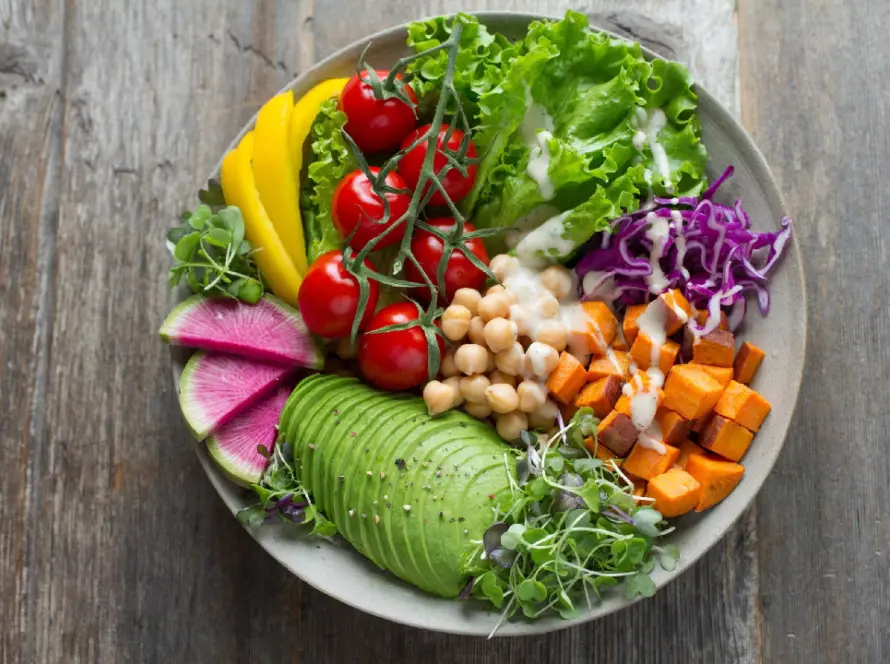
Improve a balanced diet and healthy weight and vitality daily habits plays an important role in overall wellness.
The Body Registers Everything, and Eastern Medicine Has Known It for Centuries
Traditional Chinese Medicine (TCM) documented the relationship between emotional state and organ health more than 2,500 years ago. The liver meridian, for example, is directly associated with frustration and anger. The heart meridian governs anxiety and mental agitation. It is not a metaphor; It is a clinical map that trained practitioners use to design personalized treatment plans.
Acupuncture: The Most Researched Natural Treatment for Stress
Natural acupuncture stress treatment works by stimulating specific acupuncture points (acupoints) along the meridian system with fine, sterile needles. This triggers the release of endorphins and serotonin, while reducing levels of cortisol, the main stress hormone.
A systematic review and meta-analysis published in 2021 in Annals of General Psychiatry (Yang et al., 2021) included 20 randomized controlled trials and found that acupuncture produced statistically significant reductions in anxiety symptoms, with positive effects on both anxiety disorders and situational anxiety. The effect was most pronounced in generalized anxiety disorder (GAD) and stress-related insomnia.
What Happens in a Typical Session at Our Acupuncture Clinic
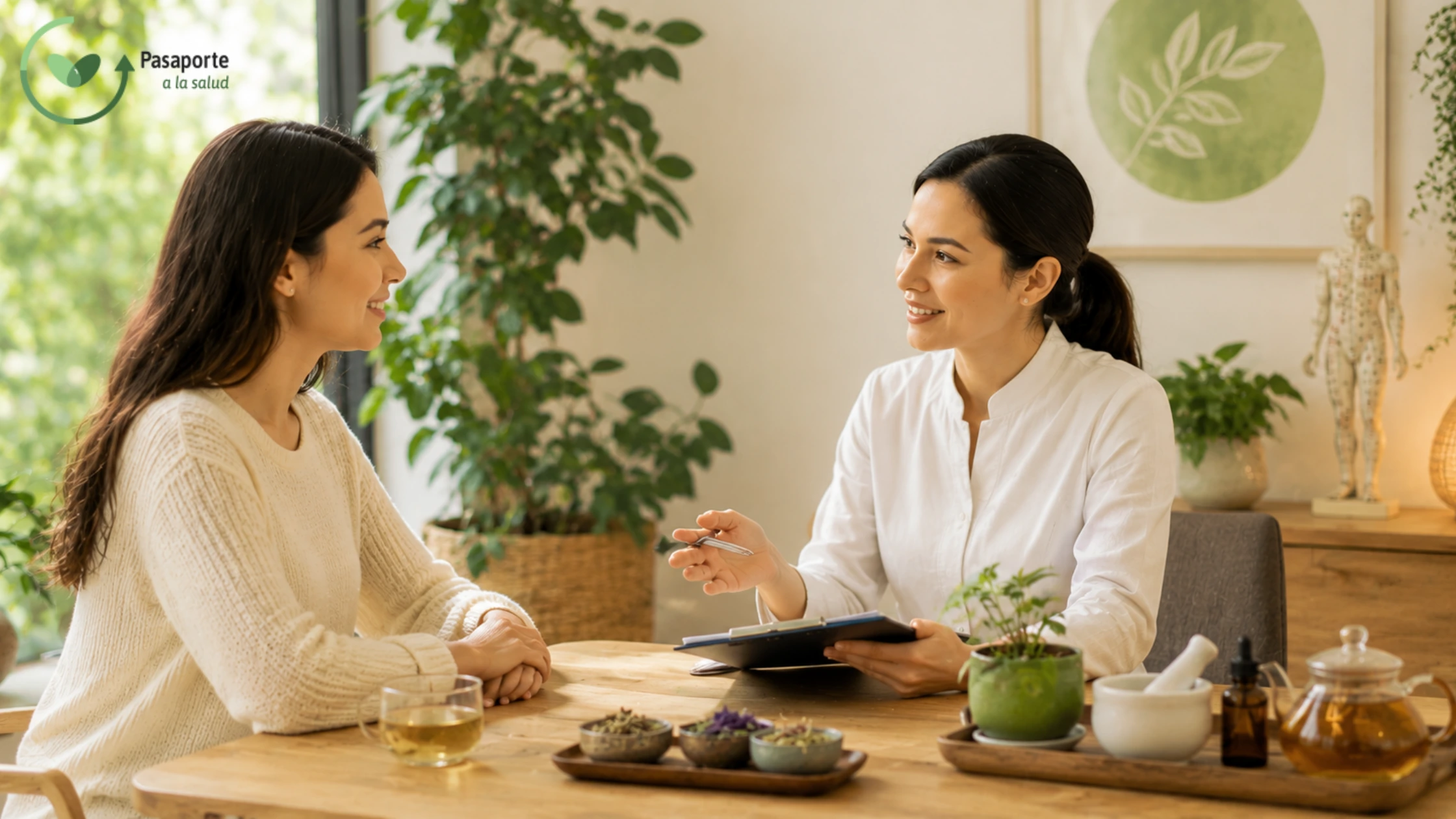
In our acupuncture clinic, a session begins with a complete evaluation: pulse diagnosis, tongue observation, and detailed health history. This diagnostic process alone is a clinical tool, not a formality. Your practitioner selects between 8 and 20 acupoints based on your specific pattern of imbalance.
A treatment plan for anxiety and stress usually includes:
• 6 to 12 weekly sessions as the main course of treatment
• Lifestyle and eating recommendations tailored to your constitution
• Reassessment as needed to adjust the treatment plan based on your progress
Herbal Medicine: The Natural Adaptogenic Arsenal Against Anxiety
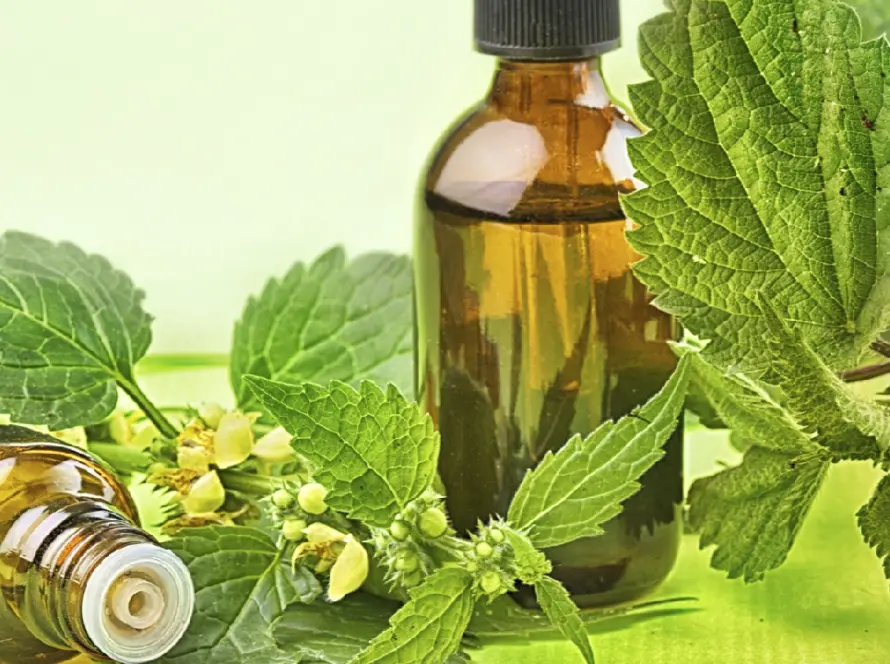
Eastern herbal medicine for stress is not about taking a single herb and hoping for the best. Practitioners formulate herbal decoctions designed specifically for each patient. In 2025, the shift towards personalized herbal formulation has accelerated significantly, with more Latin American patients seeking tailored protocols rather than generic supplements.
A balanced nutrition and healthy lifestyle choices can support your overall wellness and help you achieve a healthier, more energetic life.
Acupuncture vs. Pharmaceutical Medication
This table is for informational purposes only. It is not a recommendation to stop any prescription medication. Always consult your doctor before making changes to your treatment.
| Factor | Acupuncture / Oriental Medicine | Pharmaceutical Medication |
| Side effects | Minimums; temporary pain at insertion points. | Commons; include drowsiness, risk of dependence, and withdrawal symptoms |
| Address the root cause | Yes, it treats the underlying imbalance | Generally not. Manage symptoms |
| Suitable for long-term use | Yes. No dependency | It depends on the type of medication; some require gradual reduction |
| It also helps with digestion | Yes, it frequently improves the natural treatment for gastritis simultaneously | Not usually |
| It also helps with blood sugar | Yes. Useful in conjunction with natural diabetes treatment protocols | No |
| Time to notice the effect | 4-6 sessions for most patients | 2-6 weeks for antidepressants/SSRIs which may lead to dependency. |
| Customization | Highly personalized for each patient | Standardized dosing protocols |
Ready to explore a different type of care?
→ Visit pasaportealasalud.com
Qi Gong and Tai Chi: Movement as Medicine
Qi Gong and Tai Chi are slow, breathing-focused movement practices that activate the parasympathetic nervous system. Research published by Harvard Medical School (2021) found that regular Tai Chi practice produced anxiety-reducing results comparable to moderate aerobic exercise, with the added benefit of improving sleep quality and reducing inflammatory markers.
Look for available classes which can be found on-line. Both practices can be learned and maintained through guided online programs, making them one of the most accessible tools in the arsenal of Eastern medicine.
Getting Started: A Practical Entry Point
If you’re new to Qi Gong, start here:
• Choose a structured beginner’s program of 15 to 20 minutes daily
• Practice at the same time each day to establish a consistent routine. The morning is ideal for cortisol regulation
• Combine with diaphragmatic breathing: Inhale for a count of 4, hold for a count of 4, then exhale for a count of 6.
• After 4 weeks of daily practice, most patients report measurable improvements in sleep and daytime anxiety levels
Frequently Asked Questions
1. Does acupuncture really help with anxiety?
Yes. Multiple peer-reviewed trials confirm that acupuncture significantly reduces anxiety scores. A 2021 meta-analysis in the Annals of General Psychiatry found consistent reductions in GAD and stress-related insomnia compared to control groups.
2. How many sessions do I need to see results?
Most patients notice a difference within 4 to 6 sessions. A full course of treatment is usually 10 to 12 sessions. Acute stress responds more quickly than chronic anxiety disorders, which benefit from a longer, phased approach.
3. Can Eastern medicine treat anxiety disorders or just mild stress?
Eastern medicine effectively addresses the entire spectrum, from treatment for anxiety and everyday stress to clinically diagnosed disorders, including GAD, panic disorder, and PTSD. It is frequently used in conjunction with conventional psychiatric care, not as a replacement.
4. How does stress affect other health conditions such as diabetes or gastritis?
Chronic stress raises cortisol, which increases blood glucose and disrupts digestive motility. That’s why many patients with anxiety also report worsened gastritis or unstable blood sugar. Oriental medicine treats the underlying pattern of stress, which often results in improvements in all three areas simultaneously.
What You Should Take With You From All This
3 Key Points
• Acupuncture and herbal medicine act on root causes, not just symptoms. By addressing the HPA axis, your body’s primary stress response system, cortisol dysregulation, and meridian imbalances, Eastern medicine produces lasting improvements that pharmaceutical management alone frequently cannot achieve.
• The same treatment that helps with your anxiety also supports other conditions. Patients see simultaneous improvements in digestion, blood sugar, and sleep, because Eastern medicine treats the whole person, not a single diagnosis.
• You don’t have to choose between Eastern medicine and your current care. The most effective results come from integrating both. Our interns work alongside your current medical team, not against you.
If you’ve been managing stress and anxiety for months or years without finding real relief, the anxiety and stress treatment offered by Eastern medicine may be exactly what your current plan is missing. Patients are already experiencing the difference, and your first step takes less than two minutes.
Visit pasaportealasalud.com or call us directly to schedule your initial evaluation. Available to patients, online and in person