Luis is 52. Last week his doctor told him he has type 2 diabetes, and he nodded as if he understood. In the car, the questions started:
- Do I have to give up rice?
- Can I still eat fruit?
- My neighbor swears by an herbal tea. Should I try it?
- Can I just walk more and skip the pills?
Luis is an example, but his questions are real, and you may be asking the same ones. This guide shows how to manage type 2 diabetes in everyday life.
We start with the basic idea, then look at meals and movement. After that, we cover blood sugar checks, natural remedies, and when medicine is still needed. At the end, there is a simple daily plan you can adjust. This advice will not replace your doctor’s advice.
How to Manage Type 2 Diabetes Naturally Without Extreme Lifestyle Changes
The short answer: you manage type 2 diabetes with small habits you can repeat, and you stay in touch with your healthcare team. The CDC says some people manage diabetes with healthy eating and activity, while others also need medicines.
Start With One Daily Habit Instead of Changing Everything
On Monday, Luis decides to change everything. No sugar, no bread, and an hour at the gym. By Thursday, he is worn out and back to his old routine. Many people do the same.
A better plan is to pick one habit. Walk for ten minutes after dinner. Or swap your sweet drink for water. When that feels easy, add the next one. A habit you can keep on a tired day will do more for you than a perfect plan you drop in a week.
Understand What Natural Diabetes Treatment Can and Cannot Do
Here, “natural” means food, movement, sleep, and stress care. These are real tools. They can help you control blood sugar, and they support the rest of your treatment.
They cannot replace prescribed medicine on their own. If you take medicine, keep taking it as prescribed until your doctor tells you to change it.
How to Follow a Diet for Type 2 Diabetes Without Giving Up Your Favorite Foods
● Build a Balanced Plate to Help Control Blood Sugar
The easiest place to start is the American Diabetes Association guide.
- Use a plate about nine inches across.
- Half goes to non-starchy vegetables, a quarter to protein, and a quarter to carbohydrate foods.
- Put a glass of water, or another drink with no calories, beside it.
- Non-starchy vegetables include leafy greens, cabbage, cucumber, tomato, peppers, and jicama.
- Carbohydrate foods include rice, tortillas, bread, potatoes, corn, and fruit.
Think of this as a starting point, not a rule for everyone. Your size, your medicines, and your activity all change what is right for you. A dietitian can adjust the plate for your needs.
● Which Everyday Foods Can Support Nutrition for Diabetics?
Good choices are easy to find:
- Vegetables: The biggest part of the plate.
- Beans and lentils: They give you protein and fiber, but they also count as carbohydrates.
- Whole fruit: Oranges, apples, or berries, rather than juice.
- Higher-fiber carbohydrates: Oats, brown rice, whole-grain bread, or tortillas.
- Protein: Fish, eggs, chicken, or tofu.
- Drinks: Water and coffee or tea without sugar.
Do You Have to Stop Eating Rice, Bread, or Fruit With Type 2 Diabetes?
No. Most people do not need to cut them out. Carbohydrate foods affect blood sugar more than other foods, so the amount matters. That is why they get a quarter of the plate, not half.
The type matters too. Whole fruit and whole grains provide more fiber than juice and white bread. Bodies also react differently: two people can eat the same rice and get different readings. If your doctor has asked you to test, checking before and after a meal shows how a food treats you.
How to Make Familiar Meals More Diabetes-Friendly
| Everyday choice | Practical adjustment |
| A large plate of rice | Keep rice to a quarter of the plate. Fill the rest with vegetables and protein. |
| Fruit juice | Eat the whole fruit instead. The fibre slows things down. |
| Sweetened tea or soda | Switch to water, or tea without sugar. |
| Refined-grain snacks, like white-flour cookies | Try a piece of fruit, a handful of nuts, or a whole-grain option. |
| Meals with few vegetables | Add a salad, cooked greens, or sliced cucumber and jicama. |
You do not have to leave the dishes your family loves behind. Most of the time, changing the portions is enough.
How to Lower Blood Sugar Through Daily Movement
Can a Short Walk After Meals Help Control Blood Sugar?
Your muscles use sugar for fuel when you move. That is one reason activity can help lower blood sugar. A gentle walk after a meal is a simple thing to try. How much it helps differs from person to person, so nobody can promise you a number.
For the bigger picture, the CDC suggests at least 150 minutes of brisk walking or similar activity each week. If you have not been active for a while, ask your doctor what amount suits you and build up slowly.
What If You Cannot Go to the Gym?
You do not need one. Walking, gardening, housework, climbing stairs, and chair exercises all count. The ADA suggests breaking up long periods of sitting with three or more minutes of light movement every 30 minutes.
A few safety points:
- Ask your doctor if your medicine can cause low blood sugar.
- If it can, ask whether to check your sugar before you exercise and what to keep nearby in case it drops.
- Stop and check if you feel shaky, sweaty, dizzy, or confused.
- Guaymas gets very hot. Early morning or evening walks are easier, and don’t forget to carry water.
How to Monitor Blood Sugar and Understand What Your Numbers Mean
When Should You Check Your Blood Sugar?
It depends on your treatment and your doctor’s advice. Some people check every day, some several times a day, and some less often. So ask two things at your next visit: when should I check, and what number should I aim for?
What Should You Record Alongside Your Blood Sugar Readings?
A number alone says little. Add the story around it. Here is a simple log you can copy into a notebook:
| Time of reading | Reading | Meal or snack | Activity | Symptoms | Medicine taken |
| Morning, before eating | |||||
| 2 hours after lunch | |||||
| Before bed |
After a few weeks, you and your doctor can look for patterns, and this will help in understanding your body’s processes.
Why Can Blood Sugar Rise Even When You Eat Healthy Food?
You eat well, and the number is still high. Food is not the only cause. Stress, illness, sleep, hydration, and medicines can all affect how the body handles glucose. Other common causes:
- Illness or infection, even a cold
- Stress
- Poor sleep
- Large portions, even of healthy foods that contain carbohydrate
- Some medicines, such as steroids
- Less activity than usual
Not every high reading has the same cause. If readings stay high and you cannot tell why, call your healthcare team.
Can Sleep, Stress, and Weight Management Affect Type 2 Diabetes?
How Poor Sleep and Stress Can Affect Blood Sugar
When you are stressed, your body releases hormones that can raise blood sugar. Poor sleep can make your body respond less well to insulin.
Small steps help. Go to bed at the same time most nights. Put screens away for the last hour. Take a short walk when worry builds up. Try five minutes of slow breathing.
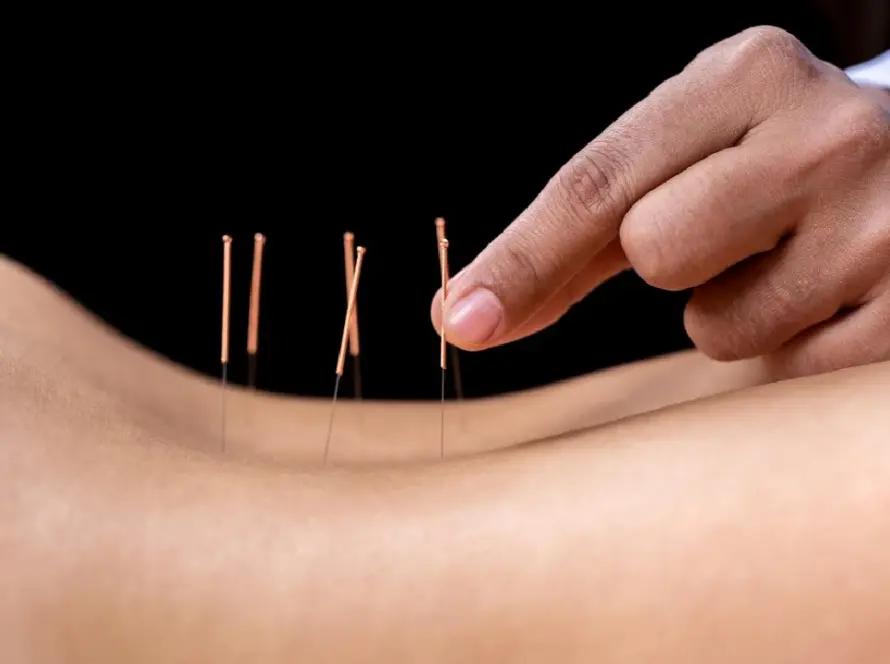
For more ideas, see these oriental medicine techniques for stress.
Does Everyone With Type 2 Diabetes Need to Lose Weight?
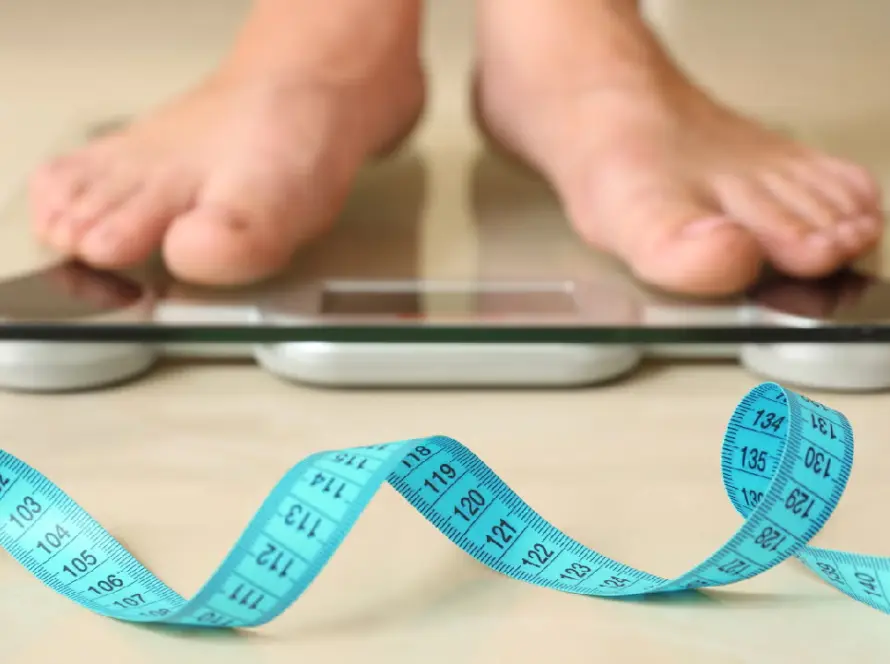
No. Weight management is personal. Some people with extra weight find that losing a little helps their blood sugar. Others are already at a healthy weight, and crash diets could do harm. If weight is part of your plan, ask your doctor what goal is realistic for you.
Are Natural Remedies Safe for Managing Type 2 Diabetes?
Can Cinnamon, Fenugreek or Other Herbal Remedies Lower Blood Sugar?
Mayo Clinic says it is still unclear whether cinnamon lowers blood sugar. Some studies show a benefit, but they used different doses and types. Studies on fenugreek are small, and the results are mixed.
No herb has been shown to replace diabetes medicine. Using cinnamon in your cooking is fine for most people. Counting on it to control your blood sugar is not.
What Should You Know Before Taking Diabetes Supplements?
Supplements are not all the same. Some can cause side effects. Some can interact with your medicines. The strength can change from one brand to the next. Mayo Clinic advises talking to your healthcare provider before taking any supplement. Bring the bottle to your appointment so they can read the label.
When Is Medical Treatment Still Necessary?
For many people, it is necessary. Lifestyle changes work best alongside medicine, not in place of it. Do not stop, lower, or swap your prescribed medicine without medical guidance.
Get urgent medical help if you have extreme thirst, very frequent urination, blurry vision, vomiting, confusion, or fainting.
How to Manage Type 2 Diabetes in Guaymas With the Right Support
Where Can People in Guaymas Get Help With Diabetes Nutrition?
Living with type 2 diabetes in Guaymas has its own realities: summer heat that makes walking hard and family meals built around tortillas, beans, and seafood. A plan should fit that reality.
Pasaporte a la Salud is a clinic at Blvd. Sánchez Taboada, Colonia San Gilberto. Its Nutrition & Lifestyle service covers whole-food eating, movement, sleep, and stress. You can also read about its approach to natural treatment for diabetes. The clinic offers nutrition and lifestyle support. It does not diagnose diabetes or replace your doctor.
What Should You Ask at Your Next Diabetes Appointment?
- What blood sugar targets are right for me?
- How often should I test, and when?
- Can my medicine cause low blood sugar?
- How many carbohydrates should I eat at each meal?
- Is it safe for me to start walking or exercising?
- Are there supplements I should avoid?
- Which symptoms mean I should call you right away?
A Simple Daily Plan to Help Manage Type 2 Diabetes
Use this as a flexible guide. Your medicine, meal timing, testing, and exercise should follow your own medical advice.
| Time of day | Possible habit |
| Morning | Check your blood sugar if your plan says so. Take medicine as prescribed. Eat breakfast with some protein and a vegetable. |
| Lunch | Build your plate: half vegetables. If you feel well, take a short walk afterward. |
| Afternoon | Stand up and move for a few minutes after long sitting. Drink water. Choose whole fruit if you want a snack. |
| Evening | Eat dinner on the same plate pattern. Walk when the heat drops. |
| Before bed | Write down the day’s readings. Put screens away. Keep a regular bedtime. |
Frequently Asked Questions
Can You Manage Type 2 Diabetes Naturally Without Medication?
Some people can, but not everyone. Medicine needs depend on your blood sugar, your health, and how your body responds. Lifestyle changes alone are not right for every person. Your doctor can tell you where you stand.
What Is the Fastest Way to Lower Blood Sugar Safely?
It depends on the reading, your symptoms, and your treatment plan. Do not take extra medicine or try a home remedy to bring a number down quickly. If your sugar is high and you feel unwell, or it stays high, contact your healthcare team.
Can Type 2 Diabetes Go Into Remission?
For some people, yes. An expert group convened by the ADA defines remission as an A1C below 6.5%, measured at least three months after stopping glucose-lowering medicine. It is not guaranteed, and it is not the same as a cure. Regular testing and medical guidance still matter.
How Often Should You Check Your Blood Sugar?
There is no single answer. It depends on your treatment, your medicines, and your needs. Ask your doctor for a schedule that fits you.
Pick one habit from this guide and start there this week. If you would like a plan built around your own meals and routine, you can book an appointment with Pasaporte a la Salud in Guaymas.